


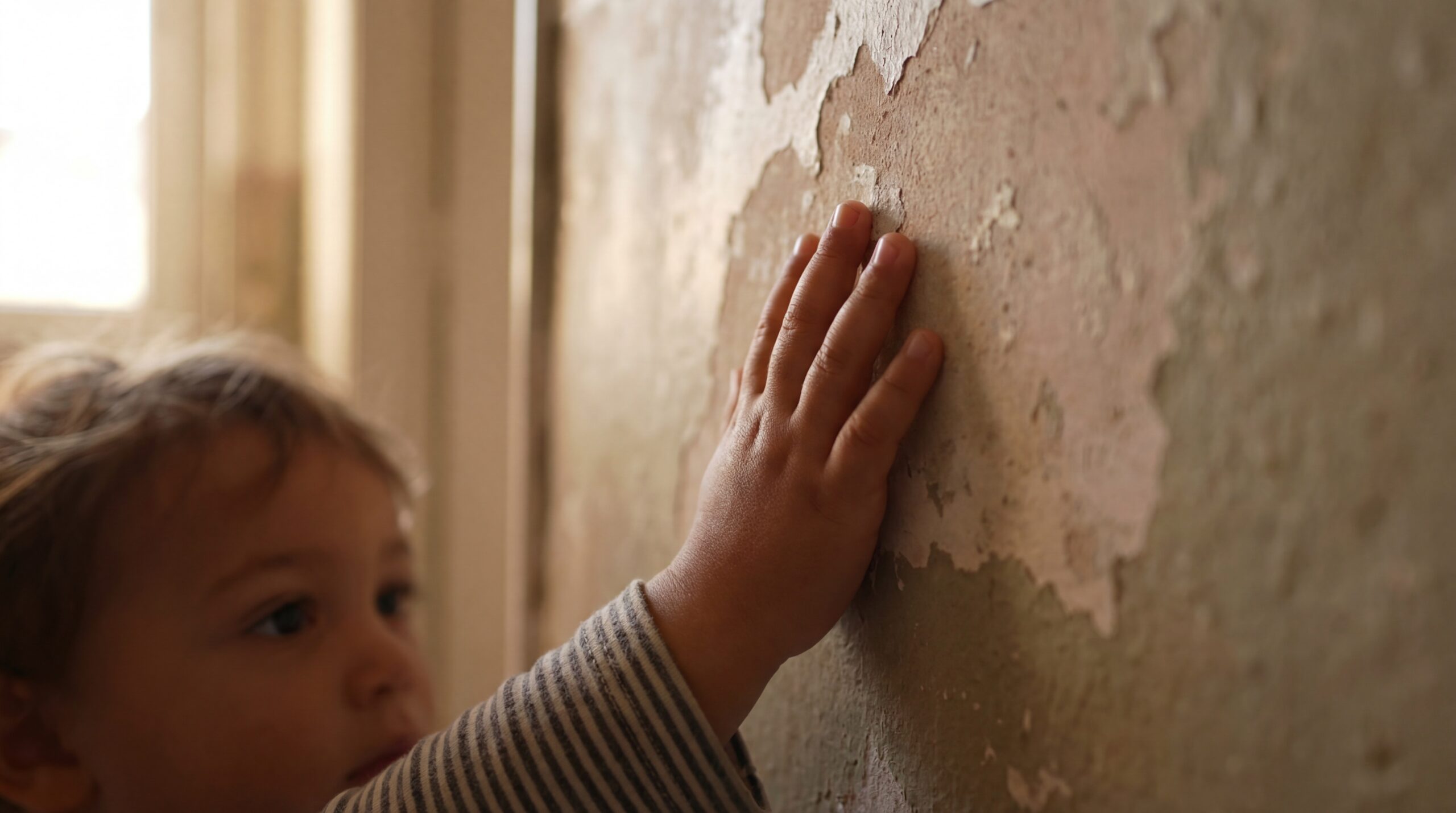
The goal of the Healthy Homes and Lead Poisoning Prevention Program is to reduce childhood lead exposure for Clarke and the nine surrounding counties by conducting assessments, leading the dissemination of educational materials, and building partnerships with existing institutions to expand our scope.
Common sources of lead include, but are not limited to:
- Lead-based paint
- Soil
- Brass keys
- Stained glass
- Imported food items such as cinnamon, rice
For additional information on the Healthy Homes and Lead Poisoning Prevention program, please visit the state HHLPP website.
What is lead?
Lead is a heavy metal found in the Earth’s crust. It can combine with other chemicals to form lead compounds or salts. Lead is a natural element that does not break down in the environment and is very hard to clean up.
About Childhood Lead Poisoning Prevention | CDC
What is lead poisoning?
It’s an illness that occurs when someone swallows or inhales lead. The Centers for Disease Control and Prevention (CDC) defines childhood lead poisoning as 3.5 ug/dl (micrograms per deciliter) or more of lead within the body at the time of screening.
How does lead affect your health?
Lead can be harmful to anyone. However, children under the age of six are at the greatest risk of being harmed by lead. Their bodies easily absorb lead, which can be bad for the developing brain and other organs and systems. Children also tend to put things in their mouths. When children put items in their mouth that have no nutritional value, such as dirt or flaking paint, this is called pica.
For children, low levels of lead in their bodies can be just as harmful as high levels of lead.
Low levels of lead (<10ug/dL) can result in:
- Speech, language, and behavioral problems
- Lower IQ
- Learning disabilities and attention deficit disorder
- Nervous system damage
Higher levels of lead (>10ug/dL) can result in:
- Coma
- Convulsions
- Mental retardation
- Seizures
- Death
Unborn babies are also at risk for lead poisoning. A pregnant woman can pass lead on to her unborn child in the womb. This exposure can cause premature birth, low birth weight, small size, miscarriage, and stillbirth. A mother with an increased blood lead level (BLL) who breast-feeds can expose her child to lead.
Although children are at a greater risk of being harmed by lead, it’s still harmful for adults, too. In adults, high BLLs can cause increased blood pressure, reproductive health problems, anemia, nerve disorders, and memory and concentration problems.
For answers to more commonly asked questions, please visit the Healthy Homes and Lead Poisoning Prevention page on the Georgia DPH website.
